Forensic File: Firearms in the UK

Contrary to popular belief, all police officers in the UK are trained with firearms. This is because incapacitant spray (a type of pepper spray, Parva or Captor) is considered a firearm. Having said that, only specially trained firearms officers regularly handle guns.
Airguns are more widely available, but to an inexperienced eye, they look scarily like their more deadly counterparts – especially if one is being aimed at you in a threatening manner.
Handguns have two subcategories: pistols and revolvers (think old-time Cowboy film). Typically, these are only effective up to 50 metres. Shotguns also have a short effective distance, but the shot spreads widely on exiting the barrel.
Rifles are named from the spiral ‘rifling’ in the barrel that spins the bullet, making it more accurate at distance.
But in the US, citizens are constitutionally permitted to ‘bear arms’; this is not the case in the UK, and licensing laws control the use of shotguns and rifles for sporting purposes; and since 1996, handguns have been classed as illegal.
The Dunblane Massacre was an incident in March 1996 that led to this change of law. A 43 year old man drove to the Scottish Primary School with four legally obtained handguns and killed 16 children and their teacher. The tennis player, Andy Murray, survived the massacre when many of his classmates didn’t. Who knows what those children could have grown up to be.
Of course, illegally-obtained firearms continue to proliferate, fuelled by drugs and gang culture. Police forces across the country regularly offer firearms amnesties, removing hundreds of weapons each time from the streets. In 2017, a UK Parliament publication estimated that the UK had 4 million illegal military grade firearms, with the numbers rising twice as fast in London as elsewhere.
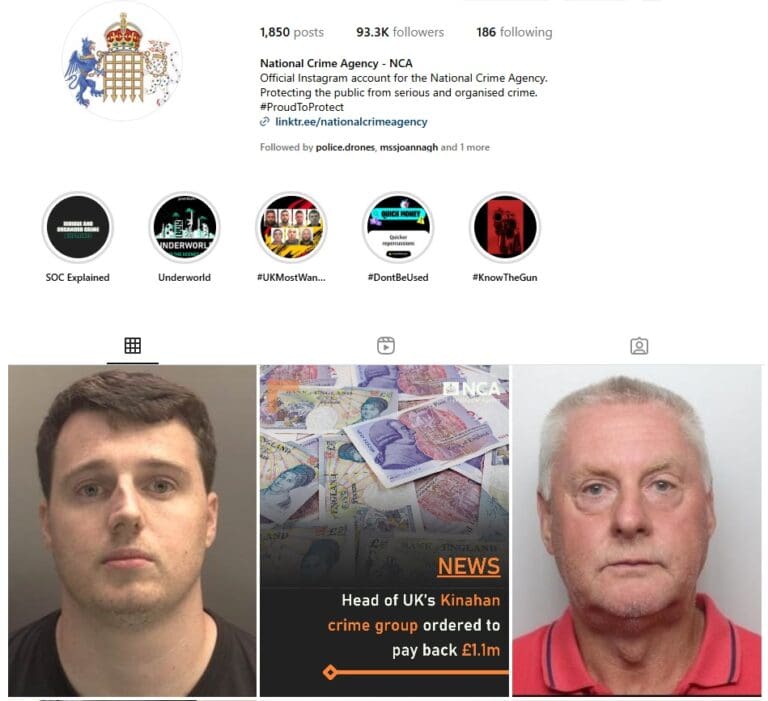
Depressing, I know, but if you want some good news, read this article by the National Crime Agency